
Key takeaways
- Fat loss needs a sustained calorie deficit, but a moderate one of roughly 300 to 500 kcal a day is enough.
- Aim to lose about 0.5 to 1 percent of your body weight a week. Faster than that usually costs you muscle, energy and adherence.
- Keep protein high and lift weights so the weight you lose is mostly fat.
- Build the plan around foods you already eat, including family meals and restaurants.
- Plan the end of the diet before you start. Maintenance is a skill, not an afterthought.
How to lose weight without a crash diet comes down to four things: a moderate calorie deficit you can hold for months, enough protein, regular strength training and plenty of daily movement. It looks slower than a crash diet in the first week. Over a year it is far quicker, because you are not stopping, regaining and starting again.
Why do crash diets fail?
Crash diets fail because they ask for more than most people can sustain, and they teach you nothing about eating normally afterwards. A very large deficit produces a dramatic first week on the scale, but a good share of that early drop is water and stored carbohydrate, not fat.
After that, the costs arrive. Hunger climbs. Training gets worse. Sleep and mood often suffer. You move less through the day without noticing, which quietly shrinks the deficit you were suffering for. Without enough protein and resistance training, more of the weight you lose comes from muscle.
Then the diet ends, usually abruptly, and the old habits return because nothing replaced them. The weight follows. The problem was never your willpower. The plan was built to be temporary.
How to lose weight without a crash diet: the four basics
You lose weight without crash dieting by getting four basics right and repeating them for long enough.
- Set a moderate deficit. Estimate your maintenance calories, then eat roughly 300 to 500 kcal below it. The free calorie and protein calculator gives you a starting figure in a couple of minutes. If the idea is new to you, read how a calorie deficit works first.
- Eat enough protein. Roughly 1.6 to 2.2 g per kg of body weight a day supports muscle while you train and helps with fullness. There is a full guide to how much protein you need to lose fat.
- Lift weights two to four times a week. Strength training tells your body to keep its muscle while the scale comes down. It does not need to be complicated.
- Walk more. Daily steps are the easiest activity to add and the easiest to recover from. A realistic daily step target for weight loss does more for most people than punishing cardio sessions.
How many calories should you eat to lose weight steadily?
Eat enough below maintenance to lose about 0.5 to 1 percent of your body weight a week, and no lower. For someone who weighs 90 kg, that is roughly 0.45 to 0.9 kg a week. For someone at 65 kg it is closer to 0.3 to 0.65 kg.
Any calculator gives you an estimate, not a fact. Treat the first two to three weeks as a test. Weigh yourself several mornings a week, take the weekly average and compare averages rather than single days.
| What the weekly average does | What to do |
|---|---|
| Drops within the target range | Change nothing. Keep going. |
| Drops faster than 1 percent a week after the first fortnight | Add a little food back. |
| Flat for two to three weeks | Check tracking accuracy first, then trim calories slightly or add steps. |
If you want more detail on pacing, see how fast you should lose weight. If you are pregnant, breastfeeding, under 18, managing a medical condition or have a history of disordered eating, speak to your GP or doctor before changing your diet.
What should you eat on a sustainable fat loss diet?
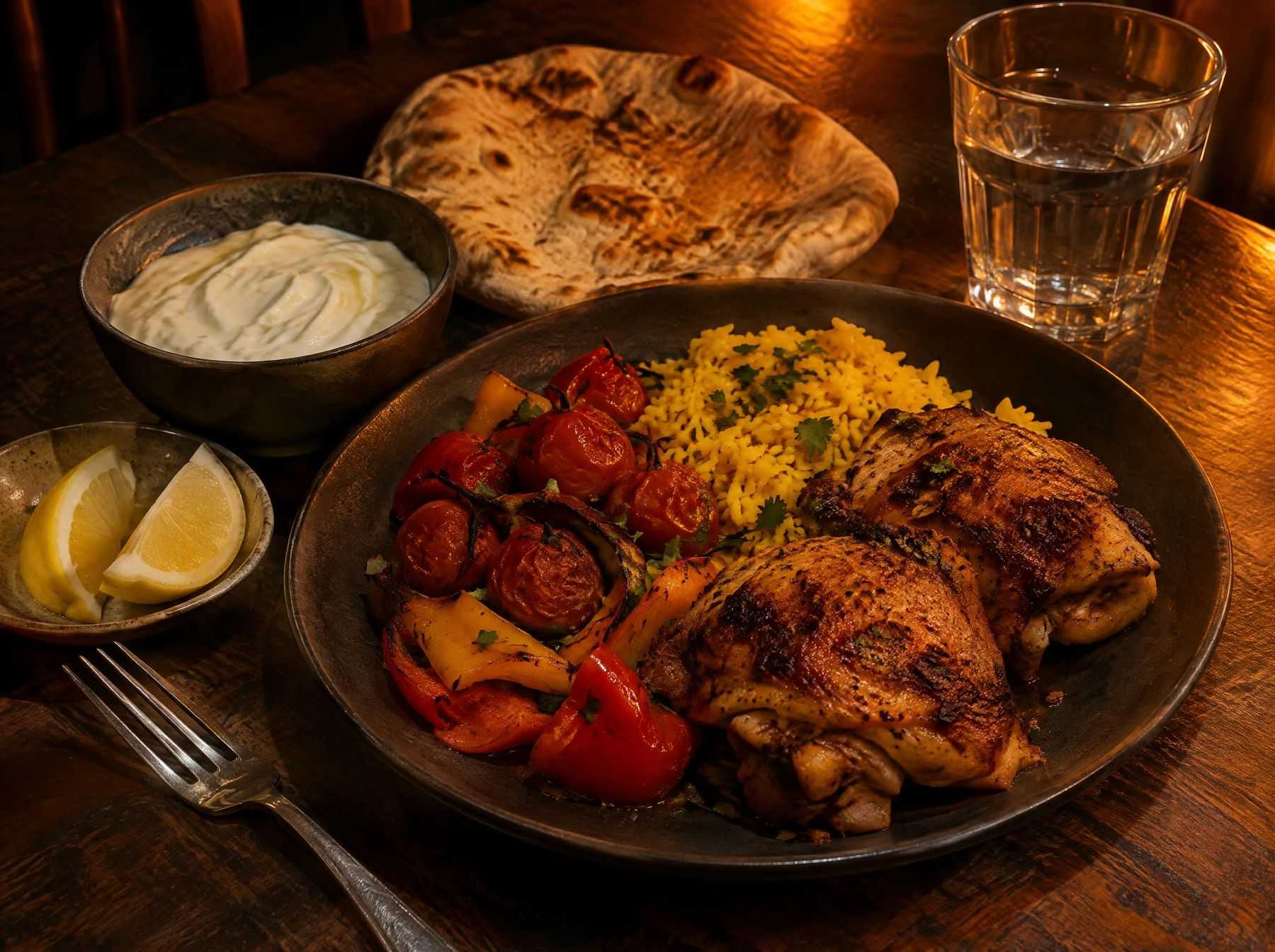
Eat mostly the foods you already eat, in portions that fit your calorie target, with protein and vegetables doing more of the work. You do not need a special menu, and you do not need to cut out rice, bread or family dinners.
A simple way to build most meals:
- A palm or two of protein: grilled chicken, lean lamb, fish, eggs, dal, Greek yoghurt, laban, tofu.
- A measured portion of carbohydrate: rice, chapati, flatbread, potatoes, oats, pasta.
- Plenty of vegetables or salad: they add volume and fibre for very few calories.
- A modest amount of fat: olive oil, ghee, nuts, tahini. These are the easiest calories to overpour, so measure them for a while.
Keep the foods you enjoy in the plan in sensible amounts. A chocolate bar inside your calories will not stop fat loss. Banning it completely and then eating the whole multipack on Friday might.
How do you stay consistent when life gets busy?
You stay consistent by lowering the effort the plan needs on a bad day, not by relying on motivation. Decide in advance what the minimum version of your week looks like, and hit that when everything else falls apart.
A few habits make a large difference:
- Repeat breakfasts and lunches on weekdays so there are fewer decisions to make.
- Keep two or three quick, high protein meals in the house at all times.
- Look at the menu before you go out, and decide then.
- Schedule training like a meeting. Three sessions you actually do beat five you plan.
- Judge the week, not the day. One heavy meal does not undo six sensible days.
Expect imperfect weeks. Weddings, travel, illness and deadlines are part of a normal life, and a good plan absorbs them. Stay consistent, and return to the routine at the next meal rather than next Monday.
What happens when you reach your goal weight?
You bring calories back up to maintenance in a planned way and keep the habits that got you there. This is the stage crash diets ignore, and it is where most regain happens.
Your maintenance calories will be a little lower than before, simply because a lighter body uses less energy. Keep your protein, your training and your step count. Keep weighing in for a while. The guide to maintaining your weight after a diet walks through the process step by step.
This is also how JR Coaching structures things. Progress is built in phases, each with a clear purpose, and weekly check-ins mean the plan is adjusted to what is actually happening. You can see how it fits together on the weight loss programme page. No crash diets. No guesswork.
Frequently asked questions
How much weight can you lose in a month without crash dieting?
For most people, a sensible pace works out at roughly 2 to 4 percent of body weight in a month, based on losing about 0.5 to 1 percent a week. Heavier people tend to sit at the upper end and leaner people at the lower end. The first fortnight often looks quicker because of water. Individual results vary.
Do you have to cut carbs to lose weight?
No. Fat loss comes from a sustained calorie deficit, not from removing one food group. Cutting carbohydrate can reduce calories and water weight quickly, which is why it appears to work so well at first. If you enjoy rice, bread, chapati or oats, keep them, measure the portions and fit them inside your daily target.
Is it better to lose weight slowly?
Slower is usually better, within reason. A moderate pace protects muscle, keeps training quality up and is far easier to live with, so you are more likely to finish the job and keep the result. Too slow can be demoralising, though. Aim for the 0.5 to 1 percent a week range rather than the slowest pace possible.
Can you lose weight without counting calories?
Yes, if your habits create a deficit anyway. Consistent portions, protein at each meal, fewer liquid calories and more walking can be enough. Counting for a few weeks is still useful, because it shows you where your calories actually come from. Many people track for a while, learn their portions, then switch to a lighter approach.
The bottom line
Losing weight without a crash diet is not complicated. Set a moderate deficit, eat enough protein, lift, walk and repeat it for long enough that the result is real. Then learn to maintain it. If you would like a plan built around your schedule, your food and your starting point, with JR reviewing your progress every week, apply for coaching and JR will reply personally.
This guide is general information for healthy adults and is not medical advice. If you have a health condition, are pregnant or take medication, speak to your GP before changing your training or diet. Results vary from person to person.


