
Key takeaways
- Aim for roughly 1.6 to 2.2 g of protein per kg of body weight a day while losing fat and training.
- If you have a lot of weight to lose, base the sum on your goal weight, not your current weight.
- Spread protein across three or four meals. The daily total matters more than exact timing.
- Protein supports fat loss by protecting muscle and helping you feel full. You still need a calorie deficit.
- Ordinary foods are enough. Protein powder is a convenience for busy days, not a requirement and not a fat burner.
If you are wondering how much protein to lose fat, a good target is roughly 1.6 to 2.2 g per kg of body weight a day, alongside regular strength training. For an 80 kg person that is about 130 to 175 g. Protein does not burn fat by itself, but it protects muscle and makes a calorie deficit much easier to live with.
How much protein to lose fat: the daily target
Most people losing fat do well on roughly 1.6 to 2.2 g of protein per kg of body weight each day. Anywhere in that range is fine. You do not need to hit an exact number, and going above it brings little extra benefit for most people.
Where you sit in the range depends on your situation:
- Lower end (around 1.6 g per kg): suits people who are newer to training, have more body fat to lose, or find high protein eating difficult.
- Upper end (around 2.2 g per kg): suits leaner people, those in a larger deficit, and anyone training hard who wants to hold on to as much muscle as possible.
| Body weight | Daily protein range |
|---|---|
| 60 kg | 96 to 132 g |
| 70 kg | 112 to 154 g |
| 80 kg | 128 to 176 g |
| 90 kg | 144 to 198 g |
| 100 kg | 160 to 220 g |
If you have a lot of weight to lose, the numbers from your current weight can look unrealistic. In that case, work from your goal weight or a healthy reference weight for your height instead. Someone who weighs 120 kg and is aiming for 90 kg can use the 90 kg row.
The free calorie and protein calculator will give you a protein figure alongside your calorie target. If you have kidney disease or any other condition that affects how much protein you should eat, speak to your GP or doctor first.
Why does protein matter when you are losing fat?
Protein matters because it helps you keep muscle while the scale drops, and it keeps hunger under better control than the same calories from fat or carbohydrate. Those two effects change both how the diet feels and how you look at the end of it.
It protects muscle. In a deficit your body is short of energy, and without a reason to keep muscle it will lose some along with fat. Enough protein plus resistance training gives it that reason. The result is a leaner, firmer shape at the same scale weight.
It is filling. High protein meals tend to keep you satisfied for longer, which makes it easier to stay within your calories without feeling deprived.
It costs more to digest. Your body uses more energy processing protein than it does processing fat or carbohydrate. The effect is modest, but it works in your favour.
None of this replaces the deficit. Protein makes a calorie deficit more effective and more comfortable. It does not create one.
Which foods are highest in protein?
The most useful protein foods for fat loss give you a lot of protein for relatively few calories. Lean meat, fish, eggs, low fat dairy and pulses do most of the work.
Label values vary by brand and cut, so treat these as approximate figures for typical portions:
| Food | Typical portion | Approximate protein |
|---|---|---|
| Chicken breast, cooked | 150 g | 45 g |
| Lean lamb or beef, cooked | 150 g | 35 to 40 g |
| White fish or salmon, cooked | 150 g | 30 to 35 g |
| Tinned tuna, drained | 1 tin | 25 g |
| Eggs | 3 large | 18 to 20 g |
| Greek yoghurt, low fat | 200 g | 18 to 20 g |
| Cottage cheese or paneer | 100 g | 11 to 20 g |
| Cooked dal or chickpeas | 200 g | 14 to 18 g |
| Tofu, firm | 150 g | 18 to 24 g |
| Laban or milk | 300 ml | 9 to 10 g |
Check the label on what you actually buy. Paneer, for example, is a good source of protein but also high in fat, so the calories are higher than for cottage cheese. Hummus, nuts and peanut butter contain some protein, but they are mainly fat sources and are easy to overeat.
For a longer shopping list, see the high protein foods list.
How do you hit your protein target every day?
You hit your target by putting a decent serving of protein in every meal, starting with breakfast. Most people who fall short eat almost no protein until the evening and then cannot catch up.
A simple method:
- Divide your target by your number of meals. A 140 g target over four meals is 35 g each. Over three meals plus a snack, it is roughly 40 g per meal and 20 g for the snack.
- Build each meal around the protein first. Choose the chicken, eggs, fish, dal or yoghurt, then add carbohydrate and vegetables.
- Fix breakfast. Eggs on toast, Greek yoghurt with oats and fruit, or an omelette with flatbread will put you well ahead by mid-morning. There are more high protein breakfast ideas here.
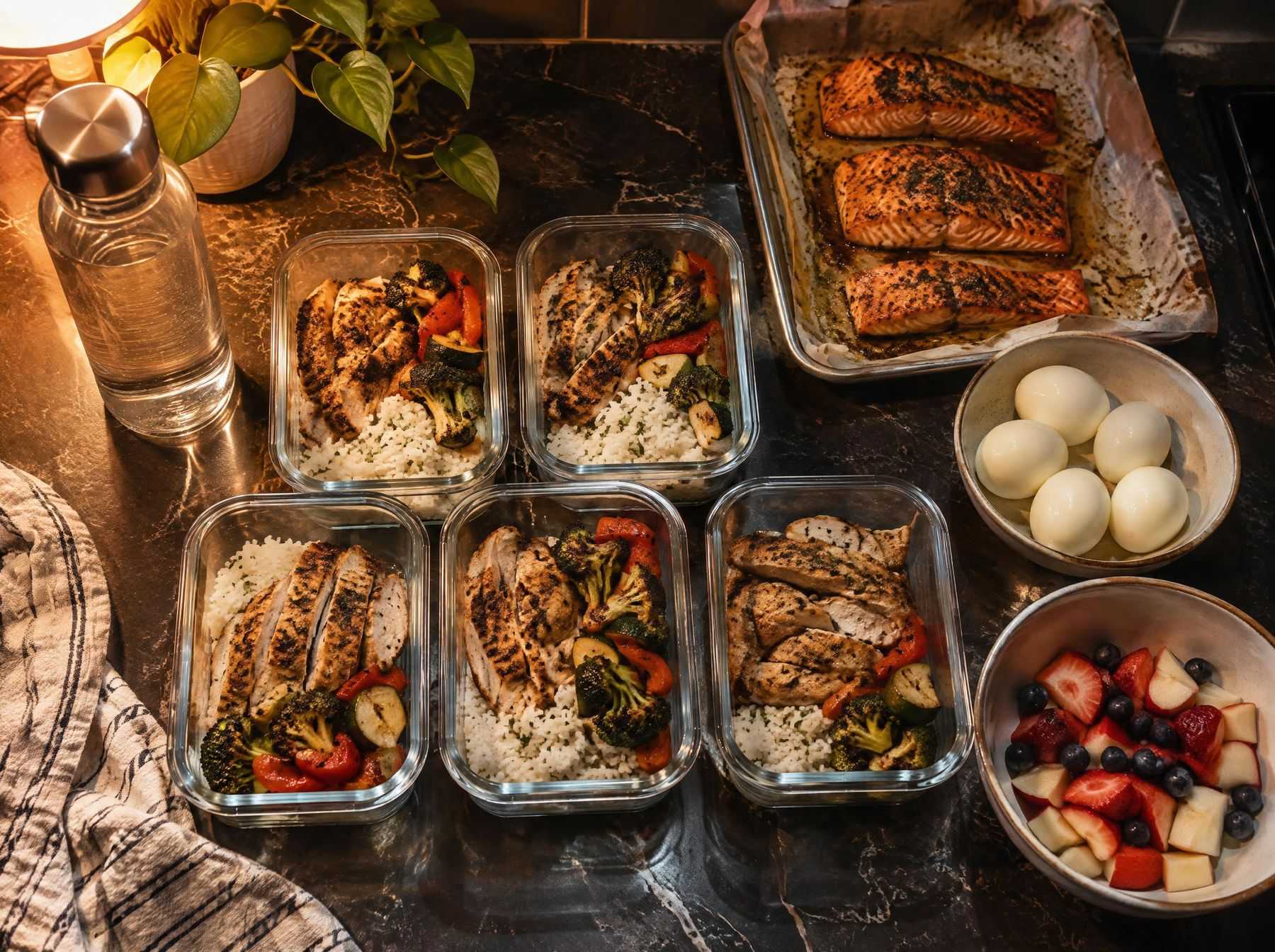
- Cook protein in batches. Grilled chicken, mince or a pot of dal in the fridge makes weekday meals easy.
- Keep a fallback. Tinned fish, boiled eggs, yoghurt or a protein shake for days that do not go to plan.
Here is what a day of around 140 g could look like:
- Breakfast: three-egg omelette with vegetables and a slice of toast, plus a glass of laban.
- Lunch: grilled chicken with rice and salad.
- Snack: Greek yoghurt with fruit.
- Dinner: dal with lean lamb or fish, one chapati and vegetables.
How does protein fit with the rest of your diet?
Protein is one of three macronutrients, and once it is set, the rest of your calories are shared between carbohydrate and fat according to your preferences. Neither needs to be avoided.
Set your calories first, then your protein, then fill the remainder with foods you like and can stick to. If you want to go further, the guide on how to count macros explains the full process.
With JR Coaching, each client gets nutrition targets built around their food preferences, schedule and starting point, and JR adjusts them at weekly check-ins. You can read how that works on the nutrition coaching page.
Frequently asked questions
Is 100 g of protein a day enough to lose fat?
It depends on your size. For someone around 60 kg, 100 g sits inside the recommended range. For someone at 90 kg it is on the low side if the aim is to keep as much muscle as possible. You will still lose fat in a deficit, but a higher intake would serve you better.
Can you eat too much protein?
For healthy adults, intakes in the range discussed here are widely considered fine. Going much higher mostly just crowds out carbohydrate and fat, which you need for training and general health. If you have kidney problems or another medical condition, check with your GP or doctor before increasing your protein intake.
Does protein timing matter for fat loss?
Not very much. Your total for the day matters far more than the clock. Spreading protein over three or four meals is sensible because it is easier to digest, keeps you fuller through the day and makes the target achievable. You do not need to rush a shake down within minutes of training.
How do vegetarians get enough protein to lose fat?
Combine several sources through the day: eggs, Greek yoghurt, cottage cheese, paneer, dal, chickpeas, beans, tofu and soya mince. Pulses bring carbohydrate with their protein, so portions need a little more planning to fit your calories. A protein powder can help close the gap on busy days.
The bottom line
Set protein at roughly 1.6 to 2.2 g per kg of body weight, spread it across your meals, lift weights and keep a moderate calorie deficit. That combination is what turns weight loss into fat loss. If you would like targets set for you and adjusted each week, apply for coaching and JR will reply personally.
This guide is general information for healthy adults and is not medical advice. If you have a health condition, are pregnant or take medication, speak to your GP before changing your training or diet. Results vary from person to person.


