Key takeaways
- Aim for roughly 1.6 to 2.2 g of protein per kg of body weight each day.
- Your total for the day matters most. Timing and meal frequency are details.
- Three or four meals with a solid serving of protein in each is a simple, effective pattern.
- Animal and plant foods both work. Plant-based eaters need a bit more planning and variety.
- Protein supports muscle growth, but training and total calories decide whether growth happens.
If you are asking how much protein to build muscle, the practical answer is roughly 1.6 to 2.2 g per kg of body weight a day, alongside regular strength training. For a 70 kg person that is about 110 to 155 g. Eating more than that does not build extra muscle, and eating much less makes your training harder to recover from.
How much protein to build muscle each day?
You need roughly 1.6 to 2.2 g of protein per kg of body weight a day to support muscle growth when you are strength training. Anywhere in that range will do the job. The lower end is fine if you are eating plenty of calories. The upper end is useful when you are in a calorie deficit or simply prefer a higher-protein diet.
| Body weight | Daily protein target |
|---|---|
| 50 kg | 80 to 110 g |
| 60 kg | 95 to 130 g |
| 70 kg | 110 to 155 g |
| 80 kg | 130 to 175 g |
| 90 kg | 145 to 200 g |
| 100 kg | 160 to 220 g |
If you carry a lot of body fat, basing the figure on your current weight can give an unnecessarily high number. In that case, use your goal weight or a healthy reference weight for your height instead. The free calorie and protein calculator will give you a personal starting target in a couple of minutes.
Hit your number most days. You do not need to be exact. Being within 10 g or so is close enough.
Does it matter when you eat your protein?
Timing matters a little, but far less than your daily total. The idea that you must drink a shake within minutes of your last set is overstated. What works well is spreading your protein across the day so each meal contributes.
A sensible pattern:
- Three or four meals, each with a good serving of protein. For most people that is somewhere around 25 to 40 g per meal.
- A protein-containing meal within a few hours either side of training. A normal lunch before and a normal dinner after covers it.
- Do not leave it all until the evening. A breakfast with little protein makes the rest of the day an uphill task.
Breakfast is where most people fall short. Swapping cereal or toast for eggs, Greek yoghurt or oats made with milk and protein powder can add 20 to 30 g before the day has started. There is a full list of high protein breakfast ideas if you need options, and a separate guide on what to eat before and after a workout.
During Ramadan, the eating window is shorter, so the same daily target is split between iftar, a later meal or snack, and suhoor. The total still matters most.
Which foods are best for building muscle?
The best protein foods for building muscle are the ones you enjoy, can afford and will eat every day. Meat, fish, eggs and dairy are the most concentrated sources. Lentils, beans, chickpeas, tofu and soya are valuable too, especially in combination.
These figures are approximate and vary by brand and cut.
| Food | Typical serving | Protein (approx.) |
|---|---|---|
| Chicken breast, cooked | 150 g | 45 g |
| Lean lamb or beef, cooked | 150 g | 35 to 40 g |
| White fish or salmon, cooked | 150 g | 30 to 35 g |
| Tinned tuna | 1 tin, drained | 25 g |
| Eggs | 3 large | 18 to 20 g |
| Greek yoghurt | 200 g | 15 to 20 g |
| Cottage cheese | 150 g | 15 to 18 g |
| Paneer | 100 g | 18 to 20 g |
| Cooked dal or lentils | 250 g | 18 to 20 g |
| Chickpeas, cooked | 200 g | 14 to 16 g |
| Tofu, firm | 150 g | 18 to 20 g |
| Milk or laban | 300 ml | 10 g |
| Whey or plant protein powder | 1 scoop | 20 to 25 g |
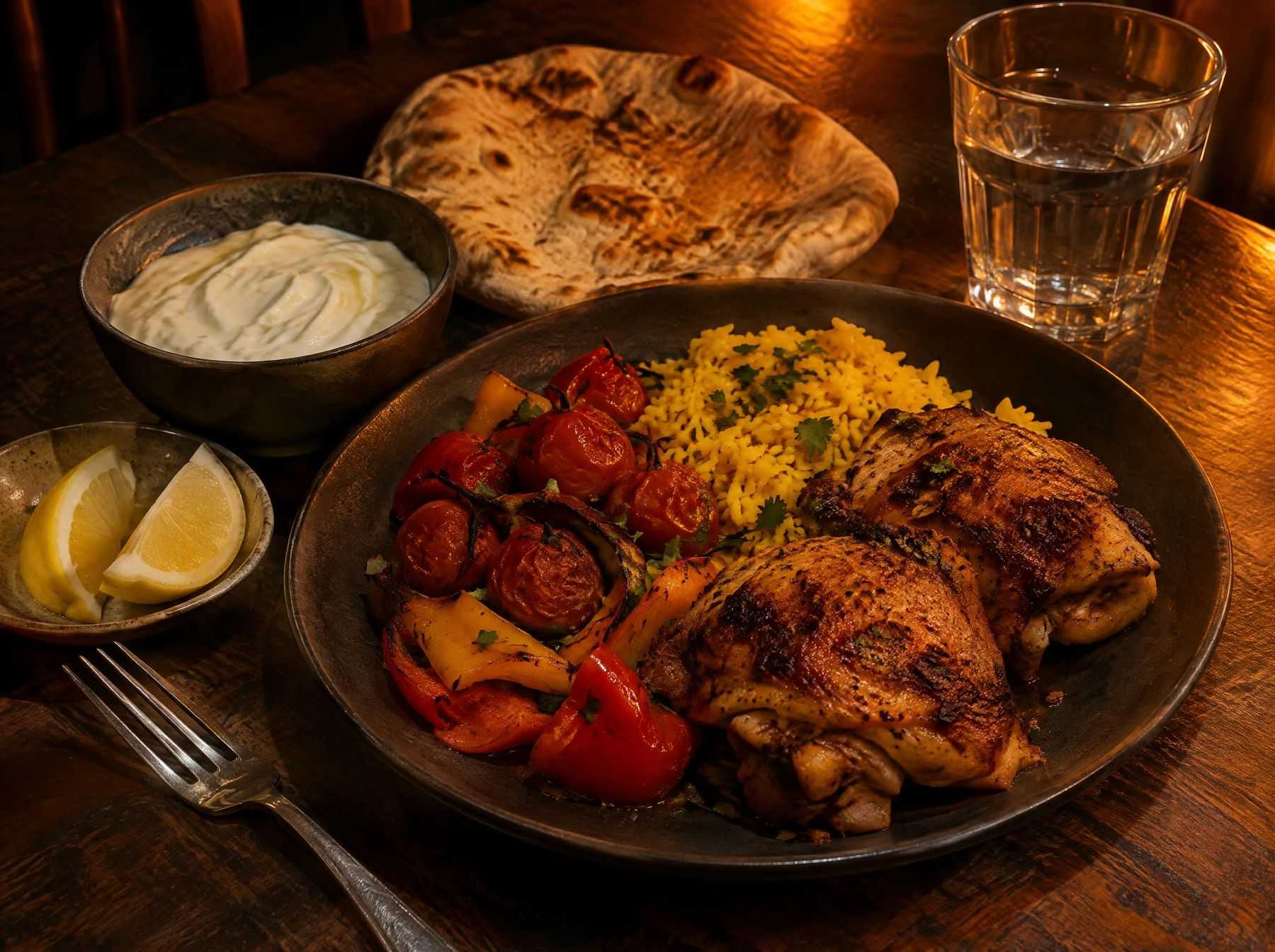
Build each meal around one of these, then add your carbohydrates and vegetables. Grilled chicken with rice and salad. Dal with chapati and yoghurt. Eggs with flatbread and labneh. Fish with potatoes and vegetables. None of this requires special food. See the full high protein foods list for more ideas.
How do you actually hit your protein target?
You hit your protein target by planning the protein in each meal first and fitting everything else around it. Leaving it to chance is why most people end the day 40 g short.
Here is an example day for someone aiming for about 140 g.
- Breakfast: three scrambled eggs, two slices of toast, 150 g Greek yoghurt (about 35 g).
- Lunch: 150 g grilled chicken, rice, salad, hummus (about 45 g).
- Snack: a glass of laban or milk and a handful of nuts (about 15 g).
- Dinner: lamb or fish curry, dal, one chapati, vegetables (about 45 g).
That is ordinary food, eaten at ordinary times. A few habits make it easier:
- Cook protein in bulk two or three times a week. Chicken, mince and dal all keep well.
- Keep quick options in the house: eggs, tinned fish, yoghurt, cottage cheese, protein powder.
- When you eat out, choose the grilled meat, fish or lentil dish first, then add sides.
- If family meals are heavy on rice and bread, serve yourself the protein first and a larger portion of it.
Do you need protein shakes to build muscle?
No, you do not need protein shakes to build muscle. Protein powder is a food, not a special muscle builder. It is useful when your appetite is small, your schedule is tight or your diet is mostly plant-based, because it adds 20 to 25 g of protein with very little effort.
If you can reach your target with meals, you can skip it entirely. If you regularly fall short, one scoop a day is a reasonable fix. Check the label if you need a halal-certified or vegetarian product. The wider question is covered in do you need supplements.
Is protein enough on its own to build muscle?
No. Protein supplies the building material, but muscle is only built when training gives your body a reason to use it. Three things have to be in place together.
- Training. Work each muscle group about twice a week and keep adding weight or reps over time.
- Calories. Building muscle is easiest at maintenance or in a small surplus. If you are a naturally slim person who struggles to gain, read how to build muscle as a hard gainer.
- Recovery. Most adults do well on 7 to 9 hours of sleep.
Protein is the easiest of these to fix, which is why it gets the most attention. Get it right, then put your energy into the training.
Frequently asked questions
Can you eat too much protein?
For healthy adults, intakes within the ranges above are widely considered fine. Going well beyond them brings no extra muscle and crowds out the carbohydrates and fats that fuel your training. If you have kidney disease or another medical condition, speak to your GP or doctor before increasing your protein intake.
How much protein can your body use in one meal?
There is no hard cap after which protein is wasted. Your body digests and uses what you eat, and larger meals simply take longer to process. For practical purposes, 25 to 40 g per meal across three or four meals is an easy way to reach your daily total and keep each meal satisfying.
Can you build muscle on a vegetarian or vegan diet?
Yes. Aim for the upper half of the protein range and eat a variety of sources, such as lentils, beans, chickpeas, tofu, soya, dairy and eggs if you eat them. Combining foods like dal and rice across the day covers your needs. A plant-based protein powder can make the target much easier to reach.
The bottom line
Eat roughly 1.6 to 2.2 g of protein per kg of body weight a day, spread it across your meals, and build those meals from foods you already like. Then train hard and stay consistent. If you would like protein and calorie targets set for you and adjusted as your body changes, JR Coaching's nutrition coaching is built around your food preferences, family meals and schedule. Apply for coaching and JR will reply personally.
This guide is general information for healthy adults and is not medical advice. If you have a health condition, are pregnant or take medication, speak to your GP before changing your training or diet. Results vary from person to person.


