
Key takeaways
- Eat the same meal as everyone else. Change your portions, not the menu.
- Start your plate with protein and vegetables, then add a measured portion of rice or bread.
- Cooking oil, ghee and fried sides are usually the largest hidden source of calories in home cooking.
- Hospitality and big gatherings can be planned for. One generous meal does not undo a consistent week.
- Traditional food is not the problem. Portions, extras and frequency are.
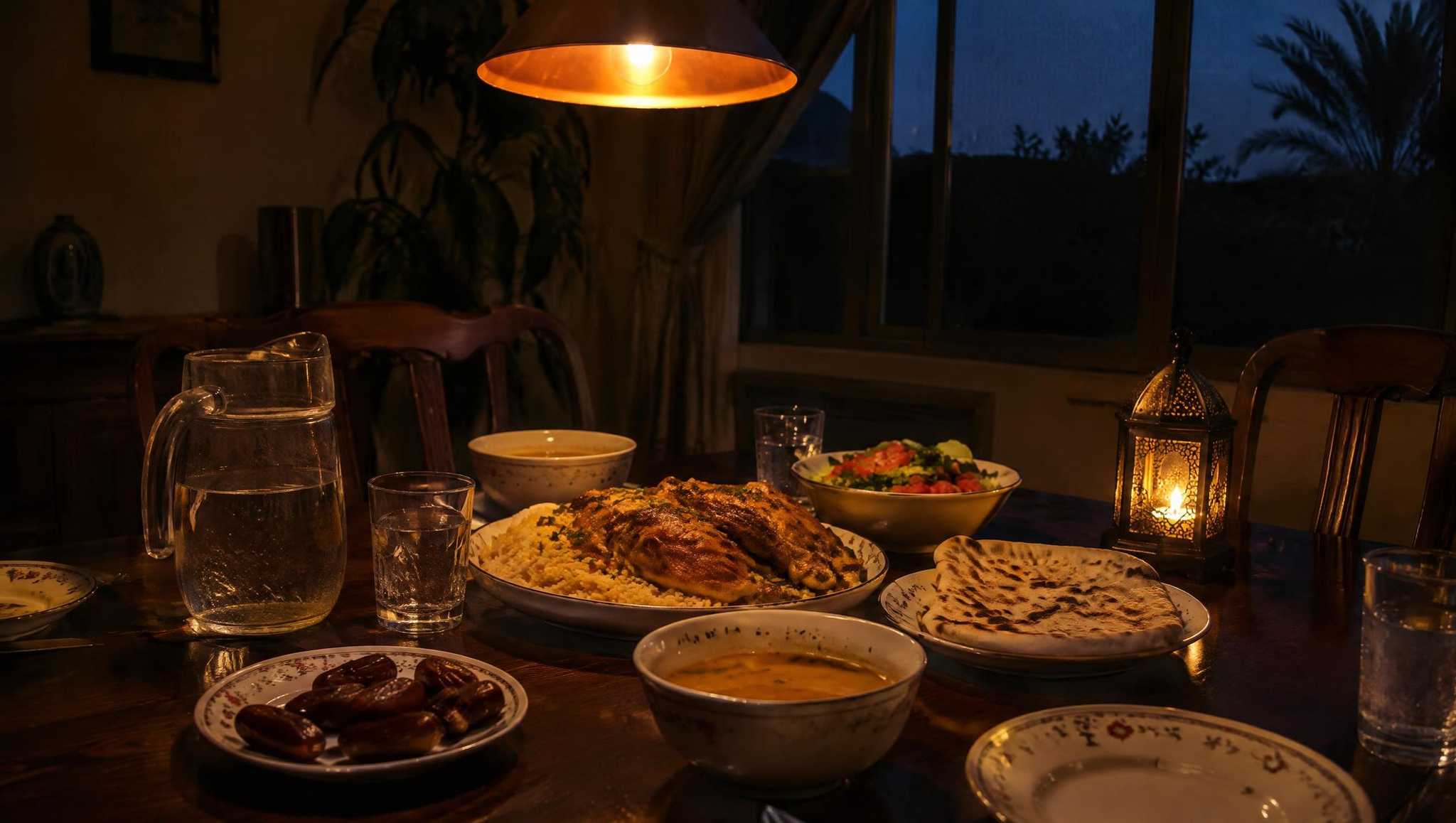
Healthy eating with family meals comes down to three things: how you fill your own plate, how the food is cooked and how often the big occasions happen. You do not need separate "diet" food or to give up curry, rice, chapati or shared platters. Keep the dishes your household already eats and change the proportions.
Does healthy eating with family meals mean giving up traditional food?
No. Fat loss requires a sustained calorie deficit, and that can be built from any cuisine. No culture's food is "bad" for weight loss.
Look at what is on a typical South Asian, Arab or British family table: grilled or stewed chicken, lamb, fish, lentils, chickpeas, yoghurt, vegetables, salad, rice, bread and potatoes. Most of that is exactly what a nutrition plan is built from. Dal is a protein and fibre source. Grilled kebabs and tikka are lean protein. A roast dinner is meat, potatoes and vegetables.
What pushes the calories up tends to be the same few things everywhere:
- Generous oil, ghee or butter in the cooking.
- Large servings of rice and bread together.
- Fried starters and sides such as samosas, pakoras, chips and fried kibbeh.
- Sweet drinks, sweet tea and desserts after the meal.
- Second helpings pressed on you by someone who loves you.
Deal with those and the meal itself can stay. The basics of energy balance are explained in the guide to a calorie deficit.
How do you build a balanced plate from shared dishes?
Serve your protein and vegetables first, then add one measured portion of carbohydrate. The order you fill the plate in does most of the work.
- Protein first. Take a palm-and-a-half to two palms of chicken, lamb, fish, eggs, paneer or a large ladle of dal. This is the part that keeps you full.
- Vegetables and salad second. Fill around half the plate with salad, cooked vegetables, sabzi or fattoush (go easy on the fried bread).
- Carbs third. Choose rice or bread as your main carb, not a full portion of both. A cupped handful or two of rice, or one to two chapati, suits most fat loss plans.
- Sauce and fats last. Spoon the meat and vegetables out of the curry and leave some of the oil in the pot. Add yoghurt or raita freely.
Eating from a shared platter, as with mandi, machboos or a large biryani, makes portions harder to see. Two approaches help. Serve yourself onto a side plate once, and stop there. Or mentally mark your section, eat the meat and salad first, and slow down on the rice.
The table below gives rough figures for common items. They are approximate and vary a lot with recipe and size.
| Food | Typical portion | Approx. calories |
|---|---|---|
| Cooked white rice | 200 g (about a cup and a third) | 260 kcal |
| Chapati or roti, no butter | 1 medium | 110 to 130 kcal |
| Naan | 1 medium | 250 to 350 kcal |
| Arabic flatbread (khubz) | 1 medium round | 160 to 200 kcal |
| Cooking oil or ghee | 1 tablespoon | 120 to 135 kcal |
| Hummus | 2 tablespoons | 80 to 100 kcal |
| Dates | 3 small | 60 to 70 kcal |
How can you make home cooking lighter without changing the taste?
Measure the fat, choose leaner cuts and change the cooking method for the sides. The spices, onions, garlic, ginger and tomatoes that carry the flavour have very few calories.
- Measure the oil. Use a tablespoon instead of pouring from the bottle. Many family recipes work just as well with half the usual amount.
- Skim the top. Let a curry or stew settle and spoon off the layer of oil before serving.
- Trim and choose. Use skinless chicken, lean lamb leg and lean mince. Brown mince and drain the fat before adding spices.
- Grill, bake or air fry. Kebabs, tikka, samosas and chips all work without deep frying.
- Add volume. Extra onions, tomatoes, spinach, courgette, chickpeas or lentils stretch a dish and add fibre.
- Keep bread plain. Skip the butter or ghee on chapati and paratha on ordinary days.
If you are not the cook, you have less control, and that is fine. Ask kindly for one small change, such as the oil being measured or a salad being added, and handle the rest through your portions. Offering to cook once or twice a week also helps. The system in meal prep for busy people can cover your lunches so the family dinner is the only meal you need to manage.
How do you handle hospitality and pressure to eat more?
Accept the food, control the amount and be warm about it. In many families, feeding people is how love and respect are shown, so a flat "no" can land badly.
A few approaches that work in practice:
- Take a small portion of everything. It shows appreciation. Nobody counts the grams on your plate.
- Eat slowly. An empty plate invites a refill. A plate with food on it does not.
- Praise the dish, then decline seconds. "That was excellent, I am full" is hard to argue with.
- Ask to take some home. It honours the cook and becomes tomorrow's lunch.
- Hold a drink. Water, tea without sugar or laban keeps your hands busy.
- Tell close family what you are doing. One honest conversation saves a hundred awkward refusals.
What about weddings, Eid and big family gatherings?
Enjoy them, plan around them and return to normal at the next meal. One large meal does not undo a consistent week, in the same way one salad does not create one.
For a known event, keep the rest of the day simple and high in protein, eat normally beforehand so you do not arrive starving, choose the dishes you care about most and skip the ones you can have any day. Then move on. No punishment workout and no skipped meals the next day.
The fuller approach is in enjoying Eid and holidays without losing progress, and restaurant meals are covered in eating out and still losing weight. If weekends are where things regularly slip, read how to stop weekend overeating.
How does coaching fit around family and culture?
A good plan is built around your household, not against it. At JR Coaching, nutrition targets are set around your food preferences, your schedule and your starting point. Family meals, restaurants, travel and Ramadan are planned for instead of treated as obstacles.
In practice that means you eat with your family, send a weekly check-in and JR adjusts the plan based on how the week actually went. Message support between check-ins covers the practical questions, such as how to handle a wedding weekend or a week of guests. You can read more on the nutrition coaching page or see the programmes on offer.
Frequently asked questions
Do you have to cook separate meals to lose weight?
No. Cooking separate meals is hard to sustain and tends to isolate you from the family table. Eat the same food and adjust your plate: more protein and vegetables, a measured portion of rice or bread, and less of the oil and fried sides. Small changes to how the shared meal is cooked benefit everyone in the house.
Is rice or chapati better for weight loss?
Neither is better. Both are carbohydrate sources with similar calories for a typical portion: about 260 kcal for 200 g of cooked rice and roughly 220 to 260 kcal for two medium chapati. Choose the one you enjoy and control the amount. Having a full portion of both in one meal is what usually pushes the total too high.
Can you eat curry and still lose weight?
Yes. Curry made with lean meat, chicken, fish, lentils or chickpeas is a good source of protein. The calories vary mostly with the amount of oil, ghee, cream or coconut milk used. Measure the fat in the cooking, serve the meat and vegetables with a little less sauce, and pair it with a sensible portion of rice or bread.
The bottom line
You can eat well, enjoy your culture's food and still make steady progress. Fill your plate in the right order, measure the cooking fat, handle hospitality with warmth and treat big occasions as part of life. Stay consistent across the week and the results follow. If you want a plan built around your family table instead of a generic meal plan, apply for coaching and JR will reply personally.
This guide is general information for healthy adults and is not medical advice. If you have a health condition, are pregnant or take medication, speak to your GP before changing your training or diet. Results vary from person to person.


