
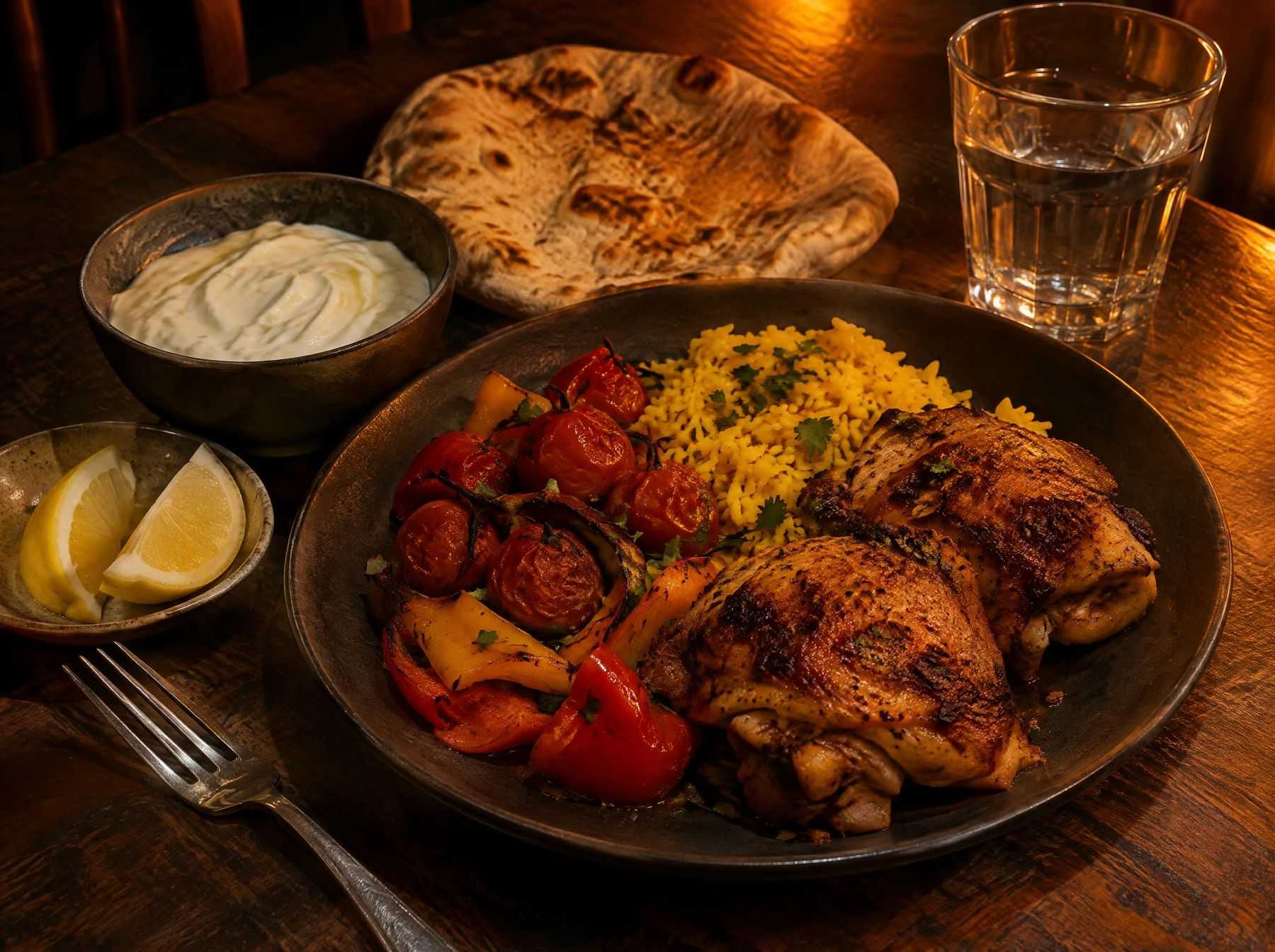
Key takeaways
- One or two feast days make very little difference to body fat. Weeks of drifting do.
- Most of the weight you see on the scale afterwards is water and food, not fat.
- Keep three anchors: protein at each meal, a daily walk and a normal breakfast or first meal.
- Choose the foods you love and pass on the ones you do not.
- Do not punish yourself afterwards. Just go back to your plan.
Eid and holiday eating will not undo your progress if you treat celebrations as what they are: a few days of bigger meals inside months of consistent habits. Enjoy the food, keep protein and walking in place, skip the guilt and return to your normal routine at the very next meal. The damage people fear nearly always comes from the week after, not the day itself.
This applies whether you are celebrating Eid, Christmas, Diwali, a family wedding or a week away. The occasions differ. The approach is the same.
Will Eid or a holiday ruin your progress?
No. Body fat changes slowly in both directions. Gaining a meaningful amount of fat takes a large surplus sustained over many days, in the same way that losing it takes a sustained deficit. A single celebration, even a very generous one, is a small event in a month.
What you see on the scale the next morning tells a different story, and it helps to understand it. After a day of rich food, your weight may be up by a kilogram or two. That is mostly:
- Water held with carbohydrate. Your body stores extra carbohydrate along with water.
- Water held with salt. Festive food is usually saltier than your normal meals.
- Food still being digested.
This settles within a few days of normal eating. Reacting to it with a crash diet is unnecessary and usually backfires. If scale swings worry you, the guide to a weight loss plateau explains how to read your weight properly.
How should you approach Eid and holiday eating?
Approach Eid and holiday eating with a decision made in advance: for this period, the goal is to maintain, not to lose. That one shift removes most of the pressure. You are no longer "failing the diet". You are following a plan that includes celebration.
From there, five principles cover nearly every situation.
- Keep your anchors. Protein at each meal, a daily walk and your usual training days where possible.
- Eat the special food, skip the ordinary. Have the dish your mother makes once a year. Leave the supermarket biscuits you could eat any day.
- Plate it. Sit down with a plate instead of grazing from trays. You will enjoy it more and eat less.
- Do not starve beforehand. Arriving ravenous leads to eating quickly and overshooting. Have a normal, protein-rich meal earlier in the day.
- Keep it to the occasion. A feast day is a day. It does not have to become a fortnight of leftovers and "starting again on Monday".
What is a simple plan for a feast day?
Use a light structure and then relax into the day.
| Time | What to do | Why |
|---|---|---|
| Morning | Eat a normal breakfast with protein, such as eggs or yoghurt with fruit | Takes the edge off hunger later |
| Before the main meal | Drink water, go for a walk if you can | Keeps activity up and appetite steady |
| The main meal | Protein and salad first, then rice, bread and the dishes you love | You enjoy everything with a natural limit |
| Sweets and desserts | Pick your one or two favourites and enjoy them slowly | Satisfaction without grazing |
| Afterwards | Walk with the family, drink water or tea | Helps digestion and keeps you moving |
| Next meal | Back to normal | Stops one meal becoming a week |
How do you return to normal eating after Ramadan?
Ease back in over a few days. Eid al-Fitr follows a month in which your meal times, sleep and appetite have all changed, so the return to daytime eating deserves a little thought.
- Rebuild regular meals. Go back to three meals, or whatever pattern you used before, with protein at each. Your appetite during the day may take a few days to settle.
- Keep portions sensible at first. After a month of fasting, large daytime meals on top of evening feasting add up quickly.
- Be deliberate with Eid sweets. Maamoul, sheer khurma, baklava, mithai and chocolates appear at every house you visit. Have a small one at each stop, or choose your favourites and decline the rest politely.
- Return to your normal training gradually. If you reduced your training during Ramadan, build your sets back up over one to two weeks instead of jumping straight to your previous workload.
A simple plan for Eid week protects the progress you made during the month. If you used the month to lose weight, the guide on how to maintain weight after a diet is worth reading before the celebrations start.
What about longer holidays, weddings and trips?
For anything longer than a couple of days, set a small number of rules you will actually keep. A week at a resort, a wedding season or a long visit to family is too long to "write off" and too enjoyable to spend counting everything.
- Two normal meals, one flexible meal. Keep breakfast and lunch simple and protein-based, then enjoy dinner.
- Walk every day. Holidays are often the easiest time to do it.
- Train when it is easy to. Two short sessions in a hotel gym, or a bodyweight circuit, are enough to maintain strength for a couple of weeks.
- At buffets, look before you serve. Walk round once, then fill one plate. Go back for the thing you liked most, not for everything.
The same pattern that causes trouble at weekends causes trouble on holiday, so the advice on weekend overeating applies here too. If you know your maintenance calories, you have a reference point. The free calorie calculator will estimate them.
If you have diabetes or another condition affected by diet, ask your doctor how to manage celebration meals.
What should you do the day after?
Go back to normal. That is the whole plan.
- Eat your usual breakfast. Do not skip meals to compensate.
- Drink water and go for a walk.
- Train if it is a training day.
- Stay off the scale for two or three days if the number is likely to upset you, or weigh in knowing it is mostly water.
- Deal with leftovers. Share them, freeze them or send guests home with them.
Avoid punishment: no extra cardio to "burn it off", no day of barely eating. If one day turned into two weeks, the guide to getting back on track after a break explains how to restart without drama.
Frequently asked questions
How much weight can you gain in one day of overeating?
Very little actual fat. The scale may rise by a kilogram or two the next morning, but most of that is water held with extra carbohydrate and salt, plus food still in your system. It typically settles within a few days of normal eating. Real fat gain needs a surplus sustained over a longer period.
Should you track calories on Eid or Christmas Day?
Most people do better not tracking on the day itself. Use simple guides instead: protein first, one plate at a time and your favourite sweets only. If tracking keeps you calm, a rough estimate is fine, but do not let it take over the day. Go back to your usual method the next morning.
How do you say no to food at family gatherings without causing offence?
Accept a small portion, eat it slowly and praise it. A plate with food on it attracts fewer offers than an empty one. If you are pressed, "that was lovely, thank you, no more for now" is enough. You do not need to mention your diet. Taking some home for later is often welcomed.
The bottom line
Celebrations are part of a good life, and a good plan has room for them. Decide to maintain, keep your anchors, choose the foods that matter to you and return to normal at the next meal. One day does not define your progress. What you do most of the time does.
JR Coaching plans for culture, family meals, restaurants and travel as part of every client's programme, including the lifestyle programme for people who want results that fit around real life. Apply for coaching and JR will reply personally.
This guide is general information for healthy adults and is not medical advice. If you have a health condition, are pregnant or take medication, speak to your GP before changing your training or diet. Results vary from person to person.